



After-builders cleaning
The tradespeople have gone, the dust has stayed. We make the home or premises fit to use again, ready to hand over or move into.
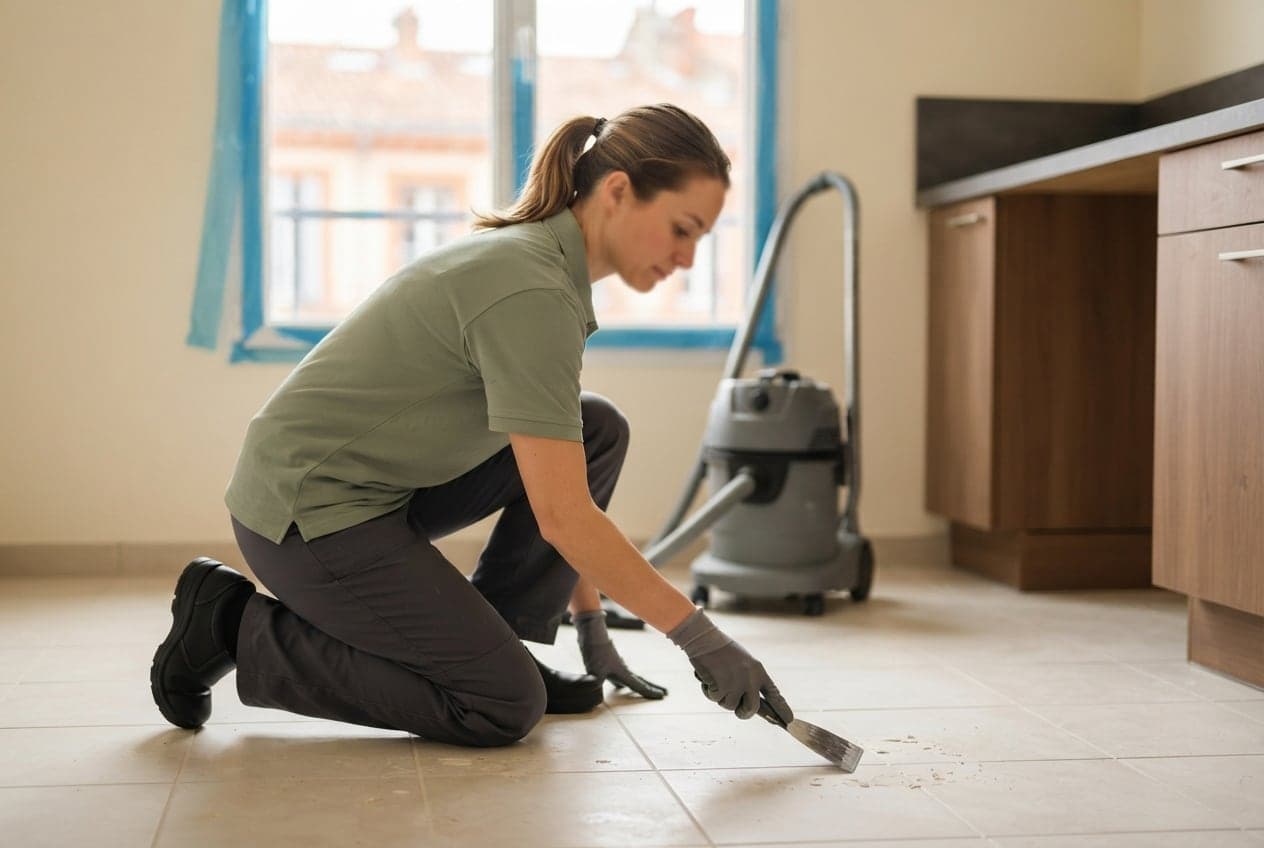
Why building dust keeps coming back
Plaster and sanding dust is so fine that it stays in the air for hours after work stops, then settles again on everything that's just been cleaned. Hence the rule: vacuum first, with a machine fitted with a suitable filter, never a broom that throws it back into the air; wait for it to settle; then go over the surfaces with a damp cloth, top to bottom.
Then comes the detail: paint and adhesive marks on tiles and joinery, removed without scratching; labels and protective films on windows, bathroom fittings and appliances; splashes on sockets and switches; the inside of new cupboards; windows and their tracks; fine rubble in the corners. Floors come last, sometimes twice.
We work for homeowners after a renovation and for building firms handing over a home or unit to their client. When the work follows an insured loss covered by the insurer, we draw up the cleaning quote and liaise with the loss adjuster.
After-builders cleaning: your questions
When should the cleaning be booked?
Right after the last trade has left, and before the furniture goes in. If finishing touches remain, it's better to wait for them: last-minute sanding spreads dust everywhere again.
Do you remove rubble?
We pick up the fine rubble and debris left on the floor. Removing larger quantities of rubble, offcuts or site packaging is the responsibility of the firm that did the work.
Is one visit enough?
Often, but not always. On a very dusty site, a second pass over floors and horizontal surfaces a few days later gives a noticeably better result. We'll tell you at the visit.
Before or after the builders' clean
Wall & ceiling washing
Walls and ceilings stripped of their greasy film before a fresh coat of paint.
Windows & patio doors
Windows, French windows, patio doors and ground-level shop fronts, frames and tracks included.
End of tenancy & move-out
An empty home cleaned before the keys are handed back, a viewing or a move-in.
A site to hand over clean?
Floor area, type of work, handover date: we come and look and quote for free.